
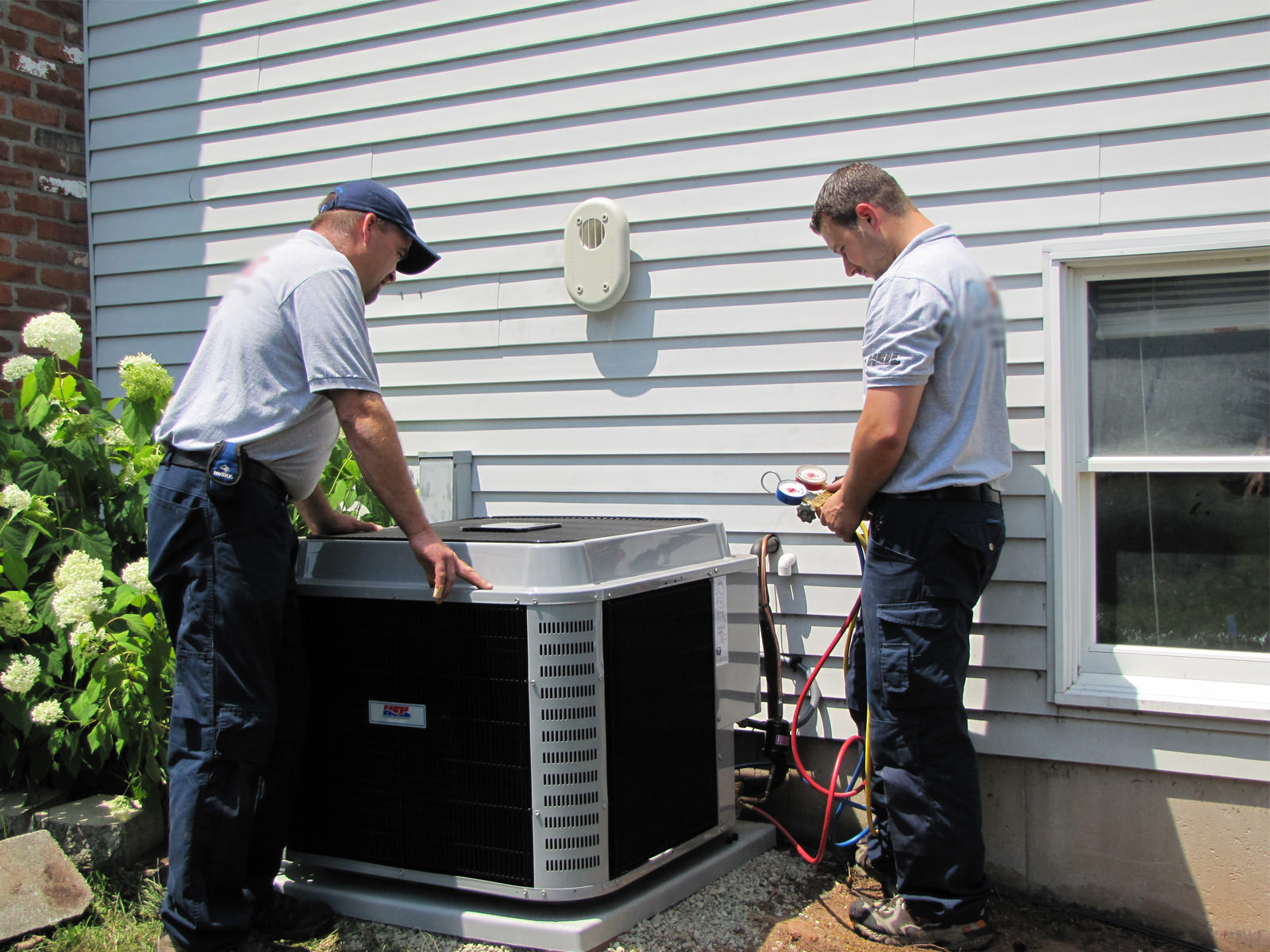
In the sweltering heat of summer, a malfunctioning air conditioner can quickly transform your refuge into an uncomfortably warm space. To truly savor the cool oasis your AC promises, it’s crucial to delve into the intricacies of its operation. This detailed guide is designed to shed light on the fundamental factors behind your air conditioner’s cooling problems and equip you with the knowledge to fix them with the help of real professionals from AM PM HVAC Service.
As we navigate through the nuances of air conditioning, we’ll unravel the mysteries behind five key factors that commonly impede optimal cooling. From the critical role of refrigerant levels to the often-overlooked impact of dirty air filters and the intricate dance of thermostat functionality, each aspect contributes significantly to your AC’s performance. Additionally, we’ll explore the intricacies of condenser issues and the often-neglected ductwork problems, unveiling how these elements can disrupt the cooling harmony within your living space.
But this guide isn’t merely about identifying problems; it’s a roadmap to solutions. With each factor, we’ll provide practical insights and actionable steps to rectify issues and restore your air conditioner to its full cooling prowess. Join us on this journey to demystify the secrets behind your air conditioner’s cooling challenges, and empower yourself to create a consistently cool and comfortable home environment.
Read also Understanding 5 Causes for Your Air Conditioner’s Failure to Blow Cold Air and Remedies >>>
Common Cooling Issues
When your sanctuary feels more like a sauna, the culprit is often lurking within your air conditioning system. Understanding the common cooling issues that plague air conditioners is the first step towards restoring a refreshingly cool ambiance to your living space
1.Refrigerant Levels
Delving into the heart of your air conditioning system reveals the critical role that refrigerant plays in maintaining a cool and comfortable indoor environment. Think of refrigerant as the life force coursing through your AC’s veins, responsible for absorbing and dissipating heat. The significance of maintaining proper refrigerant levels cannot be overstated, as it directly correlates with your system’s cooling efficiency.
When refrigerant levels deviate from the manufacturer’s specifications, a cascade of issues ensues. Reduced levels mean there is not enough refrigerant to absorb the heat from your home, leading to an inefficient cooling process. This inefficiency manifests as warm or stale air blowing from the vents, leaving you in a state of discomfort.
Moreover, inadequate refrigerant levels put undue stress on the compressor, the heart of your AC. This added strain not only compromises the unit’s longevity but also increases the risk of a breakdown, potentially leaving you without cool relief on scorching days.
Understanding the impact of improper refrigerant levels empowers you to take proactive measures. Regular professional inspections, coupled with timely refills or adjustments, ensure that your air conditioner operates at peak efficiency. By maintaining the delicate balance of refrigerant levels, you not only safeguard the longevity of your AC unit but also guarantee a consistently cool and comfortable haven for years to come.
2.Dirty or Blocked Air Filters
In the intricate symphony of your air conditioning system, air filters emerge as unsung heroes, tirelessly working to ensure the purity and efficiency of the air circulating through your home. However, their role goes beyond mere air purification; they are integral to the cooling process. This section will illuminate the pivotal role of air filters and the consequences of neglecting their upkeep.
When air filters become laden with dust, debris, and pollutants, their efficacy diminishes, impeding the smooth flow of air through the system. The repercussions of this neglect are felt in the form of compromised cooling efficiency. As the filters become clogged, the passage of air becomes restricted, forcing your AC unit to work harder to maintain the desired temperature. This increased workload not only diminishes the overall cooling performance but also escalates energy consumption, leading to higher utility bills.
Cleaning or replacing air filters at regular intervals is paramount for uninterrupted cooling. Regular maintenance ensures the free flow of air, enabling your air conditioner to operate at peak efficiency. In this section, we’ll delve into the signs that your air filters need attention, offering valuable insights on how to clean or replace them. By understanding the importance of maintaining clean and unobstructed filters, you not only enhance your AC’s cooling capabilities but also contribute to its longevity and cost-effectiveness.
3.Faulty Thermostat
At the heart of your air conditioning system lies a small but mighty device – the thermostat. This unassuming gadget plays a pivotal role in regulating your indoor climate, acting as the commander-in-chief that directs when your AC should kick into action and when it should rest. In this section, we’ll examine the profound importance of the thermostat and unravel the ways in which a malfunctioning one can throw your entire cooling process into disarray.
The thermostat serves as the bridge between your comfort preferences and the functioning of the air conditioner. When set at your desired temperature, it signals the AC unit to engage or disengage accordingly. However, when this seemingly simple device malfunctions, chaos can ensue.
A faulty thermostat can lead to erratic temperature control, causing your home to become either excessively cold or frustratingly warm. This inconsistency not only compromises your comfort but also places undue stress on the air conditioning system, potentially resulting in increased energy consumption and wear and tear.
Moreover, a malfunctioning thermostat may fail to accurately gauge the ambient temperature, leading to inaccurate readings and improper cooling cycles. This not only affects your immediate comfort but also has long-term repercussions on the efficiency and lifespan of your air conditioning unit.
Understanding the nuanced importance of a well-functioning thermostat empowers homeowners to address issues promptly. Whether recalibrating, repairing, or replacing, taking swift action ensures that your thermostat remains the reliable maestro orchestrating the cool symphony within your living space.
4.Condenser Issues
The condenser, a vital component of your air conditioning system, plays a key role in expelling heat from your home, ensuring a consistently cool indoor environment. However, this critical unit is not immune to issues that can hinder its performance and, consequently, disrupt your overall cooling experience. In this section, we’ll delve into common problems that afflict the condenser, shedding light on their impact on the entire cooling process.
One prevalent issue is a dirty or obstructed condenser coil. Over time, dust, dirt, and debris accumulate on the coil’s surface, impeding its ability to release heat efficiently. This results in a compromised cooling process, as the condenser struggles to expel heat, causing your air conditioner to work harder and longer to maintain the desired temperature.
Another frequent problem is the occurrence of refrigerant leaks. The condenser relies on an adequate amount of refrigerant to facilitate the heat exchange process. When leaks occur, refrigerant levels drop, leading to decreased cooling efficiency. This not only diminishes your comfort but also places undue stress on the entire air conditioning system.
Furthermore, electrical issues such as faulty capacitors or damaged wiring can afflict the condenser unit. These issues disrupt the smooth operation of the condenser, impacting its ability to regulate temperatures effectively. Timely identification and resolution of these problems are paramount to maintaining optimal cooling performance and preventing costly repairs.
By understanding the intricacies of condenser issues, homeowners can proactively address potential problems. Regular maintenance and prompt attention to condenser issues ensure that your air conditioning system operates efficiently, providing a cool and comfortable haven in every season.
5.Ductwork Problems
Within the concealed network of your home’s ductwork lies a crucial component determining the efficacy of your air conditioning system – a complex maze that, when compromised, can significantly hinder cooling efficiency. In this section, we’ll explore the potential pitfalls of ductwork problems, shedding light on common issues and offering practical solutions to ensure the smooth circulation of cool air throughout your living space.
One prevalent concern is the presence of leaks in the ductwork. Over time, joints may loosen or seals may degrade, allowing cooled air to escape before reaching its intended destination. This not only diminishes the overall efficiency of your air conditioner but also results in uneven cooling, leaving certain areas of your home uncomfortably warm.
Another common issue is the accumulation of dust, debris, and even mold within the ducts. These contaminants not only compromise indoor air quality but also impede the free flow of air, forcing your AC system to work harder to maintain the desired temperature. Regular cleaning and inspection of ducts are imperative to prevent such hindrances.
Furthermore, improperly sized or designed ductwork can contribute to cooling inefficiencies. Ducts that are too small or convoluted hinder the smooth flow of air, creating bottlenecks that impede the overall performance of your air conditioning system. Professional evaluation and, if necessary, resizing or redesigning the ductwork can alleviate these issues.
Understanding the nuances of ductwork problems empowers homeowners to take proactive measures. Regular inspections, prompt repairs, and investing in well-designed duct systems are key to ensuring optimal cooling efficiency, creating a consistently cool and comfortable indoor environment.
Read also Exploring the Leading 12 Factors Behind Your Inactive Air Conditioner and Fixes >>>
Maintaining Optimal Cooling
- Regular Maintenance Tips
Ensuring the longevity and efficiency of your air conditioning system requires more than just a reactive approach to repairs; it necessitates a proactive commitment to regular maintenance. In this section, we’ll delve into essential tips that, when incorporated into your routine, can keep your AC unit operating at peak performance.
Begin with a simple yet impactful task – regularly changing or cleaning the air filters. Clogged filters obstruct airflow, forcing your system to work harder and reducing its cooling capacity. A monthly check, especially during peak usage seasons, ensures optimal performance and enhances indoor air quality.
Next, turn your attention to the condenser unit outdoors. Clear away debris, leaves, and other obstructions surrounding it, allowing unrestricted airflow. Trim vegetation to maintain a minimum two-foot clearance around the unit, promoting efficient heat dissipation.
Schedule periodic professional inspections, preferably before the start of each cooling season. HVAC experts can identify potential issues, fine-tune system components, and ensure refrigerant levels are optimal – all essential factors in maintaining peak performance.
Finally, consider investing in a programmable thermostat. This enables temperature adjustments based on your daily schedule, optimizing energy usage and reducing unnecessary strain on your air conditioner.
Regular maintenance is the cornerstone of a well-functioning air conditioning system. By incorporating these tips into your routine, you not only ensure cool comfort year-round but also contribute to energy efficiency and extend the lifespan of your AC unit.
- Professional Inspection Benefits
While a proactive approach to home maintenance is commendable, some aspects of your air conditioning system are best entrusted to the discerning eye of a professional. Engaging in regular professional inspections brings forth a multitude of benefits that extend beyond what the untrained eye can discern.
First and foremost, a professional inspection is your shield against potential issues that might lurk within the intricate mechanisms of your AC unit. Trained technicians can identify and rectify minor problems before they escalate into major malfunctions, ensuring uninterrupted cooling performance.
These inspections delve into the intricacies of your system, including crucial elements such as refrigerant levels, electrical connections, and the overall condition of vital components. Addressing these nuanced details not only optimizes your system’s efficiency but also contributes to its longevity.
Moreover, professional inspections provide an opportunity for thorough cleaning and maintenance, eliminating accumulated debris and ensuring that each component operates at peak performance. This not only enhances cooling efficiency but also promotes healthier indoor air quality.
Consider professional inspections as a form of preventive healthcare for your air conditioning system. By investing in these periodic check-ups, you not only enjoy peace of mind but also pave the way for a consistently cool and comfortable home environment.
- Optimizing Airflow
Ensuring optimal airflow is the cornerstone of a well-functioning air conditioning system. Simple yet impactful measures can make a substantial difference in the efficiency and effectiveness of your AC unit.
Start by ensuring that vents and registers are free from obstruction. Furniture or decor inadvertently blocking these outlets can disrupt the natural flow of cool air. Regularly vacuuming and dusting these areas maintains unobstructed pathways, promoting consistent cooling throughout your home.
Consider the strategic placement of fans to complement your AC system. Ceiling fans, when set to rotate counterclockwise, create a gentle breeze that enhances the cooling effect. This allows you to maintain comfort at slightly higher thermostat settings, reducing overall energy consumption.
Additionally, seal any gaps or leaks in your home’s insulation. Proper insulation ensures that cooled air remains within your living spaces, preventing energy wastage and optimizing the efficiency of your air conditioner.
By implementing these straightforward measures, you not only enhance airflow but also contribute to a more energy-efficient and comfortable indoor environment.
Advanced Cooling Solutions
- Smart Thermostats and Cooling Efficiency
Embrace the future of cooling with smart thermostats. Learn how these devices can optimize your AC’s efficiency and contribute to energy savings.
- Upgrading Insulation for Better Cooling
Beyond basic maintenance, upgrading insulation can have a significant impact on your home’s cooling efficiency. Explore how better insulation leads to a consistently cool environment.
Additional Tips for Long-lasting Cooling
In addition to addressing common cooling issues, consider these bonus tips for maintaining optimal cooling in the long run.
- Regularly Check and Clean Vents
Efficient airflow is crucial for optimal cooling. Regularly check and clean vents to ensure unrestricted airflow, preventing potential issues.
- Keep Surrounding Areas Clean
Maintain a clean environment around your outdoor AC unit. Remove debris, leaves, and other obstructions to allow proper ventilation and heat dissipation.
- Monitor Energy Consumption
Keep an eye on your AC’s energy consumption. Sudden spikes may indicate underlying issues. Address them promptly to ensure both efficiency and cost-effectiveness.
Enhancing Energy Efficiency
- Invest in Energy-Efficient Appliances
Consider upgrading to energy-efficient appliances, including your air conditioner. Energy Star-rated appliances can significantly reduce your cooling costs.
- Utilize Programmable Thermostats
Programmable thermostats allow you to set temperature schedules, optimizing energy usage. Adjust temperatures when you’re away to save on cooling expenses.
Conclusion
Understanding the key factors behind your air conditioner’s cooling issues empowers you to take proactive measures. Regular maintenance, prompt issue identification, and even embracing advanced solutions are AM PM Hvac Service your allies in ensuring optimal cooling performance.
FAQ
- How often should I replace air filters?
- Air filters should be replaced every 1-3 months, depending on usage and filter type. Regular replacement ensures efficient airflow and cooling.
- Can low refrigerant levels be topped up easily?
- Adding refrigerant requires expertise and should be done by a qualified technician. Attempting it yourself may lead to further damage.
- Is a faulty thermostat a common issue?
- Yes, a faulty thermostat is a common problem affecting AC performance. Regular checks and timely replacements can prevent disruptions.
- What signs indicate ductwork problems?
- Uneven cooling, strange odors, or rattling noises are signs of ductwork issues. Professional inspection is recommended for accurate diagnosis.
- How can I optimize airflow at home?
- Ensure furniture and obstructions don’t block vents. Regularly clean vents and ducts to maintain consistent airflow and efficient cooling.
- Why is professional inspection necessary, even if my AC seems fine?
- Professional inspections can identify potential issues before they escalate, preventing costly repairs and ensuring long-term efficiency.