
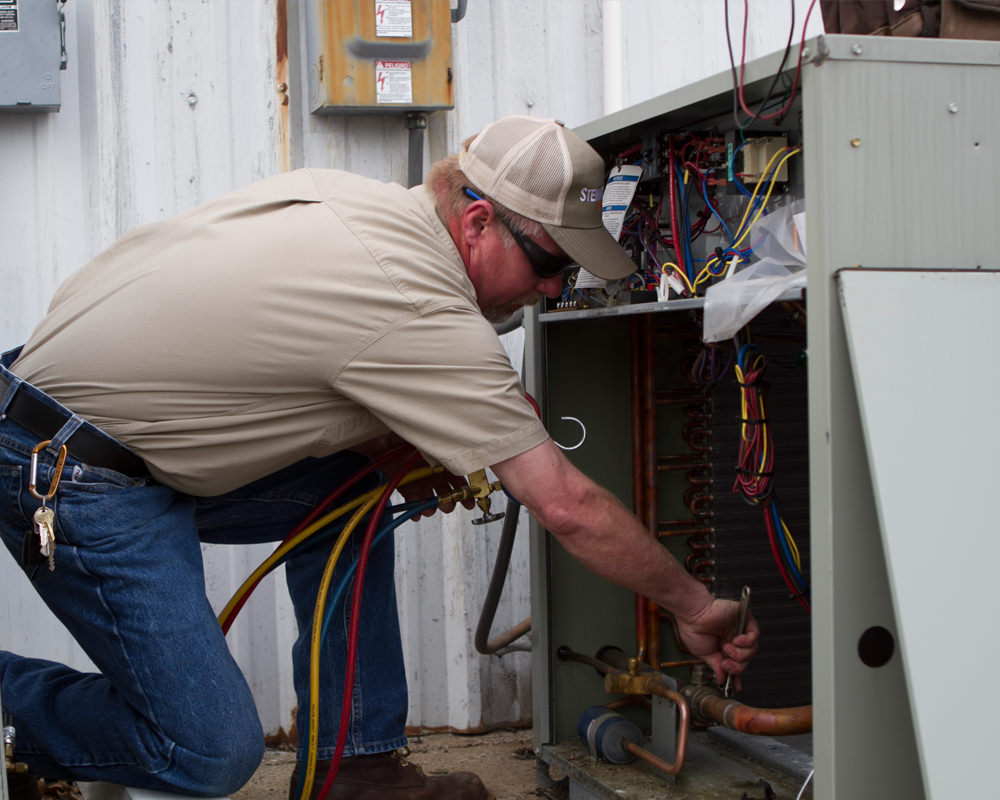
Welcome to AM PM HVAC SERVICE, your go-to resource for expert insights on keeping your air conditioning system in top-notch condition. Nothing is more exasperating than a silent AC on a scorching day. Fear not, as we unravel the mystery behind the top 12 reasons your air conditioner may refuse to turn on and provide practical solutions to revive it.
Read also Understanding 5 Causes for Your Air Conditioner’s Failure to Blow Cold Air and Remedies >>>
At AM PM HVAC SERVICE, we understand the vital role your air conditioner plays in maintaining your home’s comfort. This guide empowers you to troubleshoot and resolve common issues that might render your AC system silent. Let’s delve into the intricacies of AC maintenance, ensuring your cooling haven is always ready to combat the heat.
1.Power Supply Issues:
Ensuring Uninterrupted AC Performance
In the intricate dance of your air conditioning system, power supply issues can emerge as the elusive saboteurs, disrupting the cool tranquility your AC provides. Tripped circuit breakers and blown fuses stand as common culprits, robbing your AC of the energy it needs to transform warm air into refreshing coolness.
Tripped Circuit Breakers: Discovering your AC in silence might be the result of a tripped circuit breaker. When too much electrical current flows through the circuit, the breaker trips, cutting off power to the AC. The solution involves locating your circuit breaker panel and resetting any tripped breakers associated with the AC unit.
Blown Fuses: Blown fuses are akin to silent accomplices in disrupting your AC’s power supply. When a fuse in the AC unit’s circuit blows, it interrupts the electrical flow, rendering the system powerless. The remedy lies in a step-by-step guide to replacing blown fuses, restoring the heartbeat of your AC.
Ensuring uninterrupted power to your air conditioner involves understanding these common power supply pitfalls. By mastering the art of locating, resetting, and replacing circuit breakers and fuses, you wield the key to a consistently cool and comfortable indoor environment.
2. Thermostat Malfunctions:
Regaining Control of Your Indoor Climate
Incorrect Settings: Thermostats with incorrect settings can lead to an AC system that either refuses to turn on or operates inefficiently. This may be as simple as a temperature setting that doesn’t align with your comfort preferences. The solution involves understanding the thermostat’s settings and adjusting them to achieve the desired temperature for optimal operation.
Malfunctions: Identifying signs of thermostat malfunctions, such as unresponsiveness or erratic temperature readings, is crucial for maintaining a comfortable indoor environment. Troubleshooting these issues may involve replacing batteries, checking wiring connections, or seeking professional assistance for a comprehensive diagnosis.
By understanding the nuances of thermostat malfunctions and implementing the appropriate solutions, you regain control over your indoor climate. A properly functioning thermostat ensures that your air conditioning system responds accurately to your cooling needs, creating a harmonious and comfortable living space.
3. Capacitor Malfunction:
Within the intricate confines of air conditioning systems, the capacitor emerges as a critical component, intricately woven into the fabric of electrical dynamics. In the event of capacitor malfunction, a scientific exploration is warranted to comprehend the repercussions on the precision of AC operations.
The Capacitor’s Role in AC Dynamics: Functioning as an electrical storage device, the capacitor exhibits the ability to accumulate and release electrical energy. In the orchestration of air conditioning processes, the capacitor plays a pivotal role in initiating the motor functions of the compressor and fan. This sequential release of energy ensures a systematic transformation of thermal energy, allowing the AC system to cool the ambient air effectively.
Capacitor Malfunction: When a capacitor malfunctions, a disruption occurs in the carefully choreographed dance of electrons within the system. The capacitor’s inability to store and release energy precisely impedes the initiation of critical motor functions. This interruption, akin to a silent discord in an electronic ballet, results in the incapacitation of the AC system, rendering it unresponsive to cooling commands.
Addressing capacitor malfunction necessitates a meticulous evaluation of the electronic dance within the AC system. The diagnosis and subsequent rectification involve understanding the intricacies of energy storage and release, ensuring the seamless restoration of precision in the thermal transformation process.
4. Refrigerant Leaks:
Embarking on a journey into the intricacies of air conditioning, we encounter the delicate equilibrium of refrigerants, the lifeblood of cooling systems. However, when confronted with refrigerant leaks, this equilibrium is disrupted, posing challenges to the efficiency and environmental impact of your AC system.
Recognizing Signs of Refrigerant Leaks: Identifying potential refrigerant leaks involves astute observation of your AC system’s behavior. Diminished cooling efficiency, hissing sounds, or ice buildup on the refrigerant lines are telltale signs. These indicators signify a compromise in the closed-loop system that should ideally contain the refrigerant.
Solution: The Vital Role of Professional Repairs: Refrigerant leaks are not a DIY fix. The importance of professional intervention cannot be overstated. Certified HVAC technicians possess the expertise to pinpoint leaks, repair damaged components, and recharge refrigerants to optimal levels. This ensures the restoration of your AC system’s cooling efficiency while minimizing environmental impact.
5. Air Filter Blockage:
In the realm of air conditioning, the air filter stands as the unsung hero, tirelessly safeguarding your indoor air quality. However, when confronted with blockage, this humble defender transforms into a potential adversary, hindering airflow and compromising the efficiency of your AC system.
Impact of Clogged Air Filters: Clogged air filters impede the natural flow of air through your AC system, creating a domino effect of adverse consequences. Reduced airflow not only diminishes the system’s cooling efficiency but also places an undue burden on crucial components, such as the blower fan and compressor. This strain can lead to increased energy consumption and, if left unaddressed, potential malfunctions.
Solution: Understanding the Significance of Maintenance: To mitigate the impact of air filter blockage, a proactive approach to maintenance is paramount. Regular cleaning or replacement of air filters ensures unobstructed airflow, allowing the AC system to operate optimally. This simple yet crucial step not only enhances cooling efficiency but also contributes to a more sustainable and cost-effective operation.
Embrace the practice of regular air filter maintenance as a commitment to the purity of your indoor air and the longevity of your air conditioning system. By prioritizing this seemingly small task, you uphold the efficiency, reliability, and overall health of your AC, ensuring a continuous flow of cool, refreshing air throughout your living space.
6. Sensor Problems:
Within the intricate machinery of your air conditioning system, sensors act as vigilant guardians, meticulously monitoring and maintaining optimal conditions. However, when faced with sensor problems, the meticulous dance of climate control can be disrupted, demanding a strategic approach to troubleshooting and restoration.
Role of AC Sensors: AC sensors serve as the discerning senses of your cooling apparatus, ensuring that temperature levels are maintained with exactitude and air quality is scrutinized for purity. Their precision is instrumental in orchestrating the symphony of comfort within your living space.
Solution: Navigating Troubles and Calibration: When sensor anomalies surface, a systematic troubleshooting process becomes paramount. Initial checks for obstructions or disturbances around the sensor’s vicinity are essential. In cases where calibration is necessary, meticulous adjustments can restore accuracy. Should troubleshooting fall short, the judicious replacement of faulty sensors guarantees the perpetuation of your AC system’s precision.
Understanding the nuanced role of AC sensors empowers you to address issues effectively. Be it a subtle recalibration or the installation of new sensors, this knowledge ensures your air conditioning system continues its symphony of comfort and climate control, maintaining an environment of unrivaled precision.
7. Electrical Wiring Issues:
In the intricate web of your air conditioning system, electrical wiring serves as the silent circulatory system, channeling power to every component. Yet, when faced with wiring issues, the very lifeblood of your AC can be disrupted, requiring a keen eye and a steady hand to navigate the intricacies of electrical maintenance.
Potential Wiring Problems: Electrical wiring issues encompass a range of potential challenges, from loose connections to damaged wires. These issues can compromise the seamless flow of electricity, leading to disruptions in the functioning of critical AC components.
Solution: Safeguarding Integrity Through Inspection and Repair: A comprehensive inspection of the wiring network is the first line of defense against potential issues. Identifying and rectifying loose connections or damaged wires is crucial to ensuring the electrical integrity of the system. This proactive approach not only safeguards against immediate disruptions but also contributes to the long-term reliability of your air conditioning unit.
Understanding the significance of a robust electrical infrastructure within your AC system empowers you to address potential issues preemptively. By prioritizing regular inspections and swift repairs, you fortify the reliability of your air conditioning system, ensuring it operates seamlessly to deliver the cool comfort your living space deserves.
8. Faulty Compressor:
Within the intricate anatomy of your air conditioning system, the compressor stands as the pulsating heart, driving the circulation of refrigerant and orchestrating the transformation of warm air into cool comfort. However, when faced with a faulty compressor, the rhythmic symphony of your AC unit falters, necessitating a discerning diagnosis and intervention.
Understanding Compressor Malfunctions: The compressor, akin to the heart’s rhythmic beats, plays a central role in pressurizing and circulating refrigerant, vital for the heat exchange process. Signs of a faulty compressor include unusual noises, diminished cooling efficiency, or an outright failure of the AC system to produce cool air.
Solution: Professional Diagnostics and Potential Replacement: Diagnosing compressor malfunctions requires the expertise of HVAC professionals. Through meticulous diagnostics, technicians can pinpoint the root cause, whether it be electrical issues, refrigerant problems, or mechanical failures. Depending on the severity of the fault, compressor replacement may be recommended, restoring the robust functionality of your AC system.
Acknowledging the pivotal role of the compressor in your AC’s functionality allows for a proactive response to malfunctions. Timely professional intervention ensures the heart of your air conditioning system beats with precision, guaranteeing a continuous flow of cool relief throughout your living space.
9. Overloaded Capacitor:
In the intricate mechanics of your air conditioning system, the capacitor plays a vital role in managing the electrical energy required for optimal performance. However, when subjected to an overload, this crucial component can falter under the strain, prompting a need for careful consideration of its function and the application of preventive measures.
Impact of an Overloaded Capacitor: An overloaded capacitor occurs when it undergoes electrical surges beyond its designed capacity. This heightened strain impedes the capacitor’s efficiency in storing and releasing energy, potentially resulting in reduced system performance, heightened energy consumption, or even a complete system shutdown.
Solution: Implementing Protective Strategies: Preventing capacitor overload involves a dual approach. Regular maintenance and inspections serve as proactive measures to identify potential issues before they escalate. Additionally, the installation of a power surge protector acts as a shield against electrical fluctuations, safeguarding the capacitor and other critical components from the detrimental effects of voltage spikes.
Understanding the delicate balance of electrical regulation within your AC system empowers you to proactively address potential issues. By embracing preventive measures and installing safeguards, you ensure the capacitor continues to facilitate efficient electrical functionality, maintaining the reliable performance of your air conditioning unit.
10. Evaporator Coil Issues:
The evaporator coil, a central player in your air conditioning system, facilitates the heat exchange process, transforming warm air into the cool breeze that defines indoor comfort. However, when faced with issues such as ice buildup or general malfunctions, the efficiency of this vital component may be compromised.
Potential Problems with the Evaporator Coil: Evaporator coil issues often manifest as reduced cooling efficiency, insufficient airflow, or visible ice accumulation on the coil. These challenges hinder the coil’s ability to absorb heat effectively, diminishing the overall performance of your AC system.
Solution: Prioritizing Maintenance and Timely Interventions: To address evaporator coil issues, regular maintenance is key. Periodic cleaning and inspection prevent the buildup of dirt and debris, ensuring unobstructed heat exchange. Timely interventions, such as addressing refrigerant leaks or resolving airflow restrictions, contribute to the prolonged functionality of the evaporator coil, preserving the cool comfort your living space deserves.
11. Thermostatic Expansion Valve (TXV) Problems:
The thermostatic expansion valve (TXV) is a meticulous regulator in your air conditioning system, managing the flow of refrigerant to achieve optimal cooling. However, when faced with issues such as malfunctions or improper adjustments, the delicate equilibrium of your AC’s performance may be disrupted.
Understanding TXV Malfunctions: TXV problems can manifest as fluctuations in cooling efficiency, inadequate temperature control, or irregular refrigerant flow. These issues compromise the precision required for your AC system to maintain a consistent and comfortable indoor climate.
Solution: Professional Evaluation and Potential Replacement: Addressing TXV problems necessitates a professional evaluation. HVAC technicians can diagnose issues such as valve blockages, leaks, or improper adjustments. Depending on the severity of the problem, a calibrated adjustment or, in some cases, TXV replacement may be recommended, ensuring the restoration of accurate refrigerant flow and optimal AC functionality.
12. Faulty Contactor:
Within the intricate orchestration of your air conditioning system, the contactor acts as a crucial conductor, initiating the flow of electrical currents to essential components. However, when confronted with a faulty contactor, the smooth dialogue between electrical pathways can be disrupted, leading to potential interruptions in your AC’s performance.
Understanding the Role of the Contactor: The contactor, akin to a switchboard operator, governs the electrical conversation between the thermostat and the condenser unit. A malfunctioning contactor can result in incessant cycling, erratic operations, or a complete AC system shutdown.
Solution: Navigating Inspection and Replacement: Addressing a faulty contactor involves a meticulous inspection of the electrical connections and the contactor itself. Identifying signs of pitting, burning, or welding on the contact points is crucial. In cases of severe damage, prompt replacement is recommended, ensuring the restoration of efficient electrical dialogues and the seamless operation of your air conditioning system.
At AM PM HVAC SERVICE, we believe that a well-maintained air conditioner is your shield against the summer heat. By understanding and addressing these top 12 reasons, you become the master of your AC’s fate. Regular maintenance and timely interventions ensure that your cooling sanctuary remains unwavering, providing comfort and respite when you need it most. Trust AM PM HVAC SERVICE to keep your AC humming and your home cool.
FAQ
Q1: Why is my air conditioner not turning on at all? A: Several factors could contribute to this issue. Start by checking the power supply, thermostat settings, and the circuit breakers. If these are not the culprits, there might be problems with components like the capacitor, contactor, or compressor that require professional inspection.
Q2: What should I do if the thermostat is unresponsive? A: An unresponsive thermostat could be due to incorrect settings, a dead battery, or wiring issues. Ensure correct settings, replace the thermostat batteries, and check for any loose or damaged wires. If issues persist, consider replacing the thermostat.
Q3: Why does my air conditioner keep tripping the circuit breaker? A: Tripped circuit breakers indicate an electrical overload. This could be due to a faulty capacitor, compressor, or electrical wiring. Consult with a professional to identify and rectify the root cause.
Q4: How can I address a refrigerant leak? A: Signs of refrigerant leaks include reduced cooling efficiency. It’s crucial to consult a professional HVAC technician for repairs. Attempting to fix refrigerant leaks without expertise can be hazardous and may result in further damage.
Q5: What role does the air filter play in AC functionality? A: Clogged air filters impede airflow, strain the system, and may lead to malfunctions. Regularly clean or replace air filters to ensure proper airflow and efficient cooling performance.