
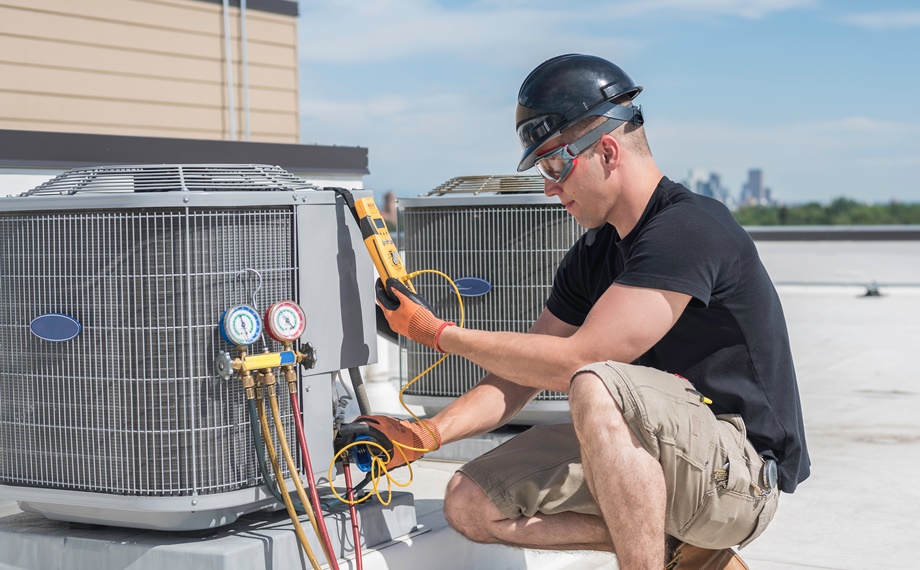
Experiencing issues with your air conditioner can be frustrating, especially during hot weather. Before you pick up the phone to call for professional help, try these top three DIY tips to troubleshoot and potentially resolve the problem. Our guide, brought to you by AM PM HVAC SERVICE, will walk you through the steps to get your air conditioner back to efficient operation.
1. Check the Thermostat:
The thermostat is the command center of your air conditioning system, dictating when to cool or heat your home. When your AC is not working as expected, a thorough check of the thermostat is a fundamental step in troubleshooting. Here’s a detailed guide on how to check the thermostat and ensure it’s functioning optimally.
Inspect Settings: Ensure the thermostat is set to the desired temperature and mode. Verify that it’s in cooling mode during warmer seasons and heating mode in colder periods. Sometimes, a straightforward adjustment to the settings can make a significant difference in your AC’s efficiency.
Battery Check: Many thermostats operate on batteries. Dead batteries can cause the thermostat to malfunction, impacting your AC’s performance. Regularly check and replace batteries as needed to ensure seamless operation.
Wiring Inspection: Examine the thermostat wiring for any loose connections or damage. Faulty wiring can disrupt communication with the AC system. If issues are identified, consider consulting a professional for rewiring or repairs.
Benefits of Checking the Thermostat:
- Optimal Performance: Correct thermostat settings ensure your AC operates at its intended capacity, providing efficient cooling or heating as needed.
- Energy Efficiency: Accurate temperature control prevents unnecessary energy consumption, contributing to cost savings on your utility bills.
- Preventive Maintenance: Addressing thermostat issues early can prevent more extensive problems, extending the lifespan of your HVAC system.
Checking the thermostat is a crucial aspect of maintaining a comfortable indoor environment. By ensuring its proper functioning, you contribute to the overall efficiency of your air conditioning system, leading to a more energy-efficient and cost-effective home. If issues persist, seeking professional assistance for a thorough diagnosis is recommended. Regular checks and maintenance of your thermostat should be part of your routine HVAC care.
2. Inspect the Air Filter:
The air filter in your air conditioning system plays a vital role in maintaining indoor air quality and ensuring the efficient operation of your HVAC system. When your AC is not working as expected, the air filter is one of the primary components to inspect. Here’s a comprehensive guide on how to inspect and maintain your air filter for optimal performance.
Regular Replacement or Cleaning: Move on to the air filter – a critical component for efficient operation. Regularly replace or clean the air filter to maintain optimal airflow. This small step can make a significant difference in your air conditioner’s efficiency. A clogged or dirty filter can restrict airflow, causing the system to work harder and potentially leading to malfunctions.
Filter Type and Replacement Frequency: Understand the type of filter your HVAC system uses and its recommended replacement frequency. Filters vary in material and efficiency, and some may need replacement more often than others. Follow the manufacturer’s guidelines to ensure your air conditioner operates smoothly.
Benefits of Inspecting the Air Filter:
- Improved Indoor Air Quality: A clean air filter traps dust, allergens, and pollutants, improving the quality of the air circulating in your home.
- Enhanced Cooling Performance: Unrestricted airflow due to a clean filter allows the air conditioner to cool your home more efficiently.
- System Longevity: Regular maintenance, including air filter inspection, contributes to the longevity of your HVAC system by preventing strain and potential damage.
Inspecting and maintaining your air filter is a simple yet impactful task in preserving the efficiency of your air conditioning system. By incorporating this into your routine HVAC care, you not only ensure a healthier indoor environment but also promote energy efficiency and extend the lifespan of your system. If you notice significant dirt buildup or find it challenging to replace the filter, consult with a professional for guidance and assistance.
3. Examine the Condenser Unit:
The condenser unit is a vital component of your air conditioning system, responsible for expelling heat from your home. When your AC is not working efficiently, examining the condenser unit is a crucial step in troubleshooting. Here’s a detailed guide on how to examine the condenser unit and reap the benefits of optimal performance.
Clear Debris and Obstructions: Shift your attention to the outdoor condenser unit. The condenser needs adequate airflow to function efficiently. Clear any debris, leaves, or obstructions around the condenser to ensure proper heat exchange. A clutter-free area allows the unit to expel heat effectively, preventing your AC from overworking.
Inspect Fins and Coils: Examine the fins and coils on the condenser for any damage or dirt buildup. Bent or damaged fins can impede airflow, affecting the unit’s performance. Gently straighten any bent fins, and if significant debris is present, consider using a soft brush or vacuum cleaner for cleaning.
Check for Refrigerant Leaks: Dive into a more in-depth diagnosis by checking for visible refrigerant leaks. Low refrigerant levels can lead to decreased cooling efficiency. If you notice leaks or suspect refrigerant issues, it’s advisable to consult with a professional technician for proper assessment and resolution.
Benefits of Examining the Condenser Unit:
- Improved Cooling Efficiency: A well-maintained condenser unit ensures optimal heat exchange, contributing to enhanced cooling performance.
- Prevention of Overworking: Clearing debris and maintaining the unit prevents overworking, reducing the risk of system breakdowns and extending its lifespan.
- Energy Efficiency: An efficiently operating condenser consumes less energy, promoting energy efficiency and cost savings on your utility bills.
Regularly examining the condenser unit as part of your HVAC maintenance routine is a proactive approach to ensure the longevity and efficiency of your air conditioning system. If issues persist or if you’re uncertain about performing these checks, consider seeking professional assistance for a thorough assessment and necessary repairs.
Read also Exploring the Leading 12 Factors Behind Your Inactive Air Conditioner and Fixes >>>
DIY Coil Cleaning:
Cleaning the coils of your air conditioning system is a fundamental maintenance task that can significantly impact its efficiency and performance. Over time, dirt and debris can accumulate on the coils, hindering heat exchange and reducing cooling efficiency. Here’s a guide on how to perform DIY coil cleaning, along with the benefits it brings to your HVAC system.
Steps for DIY Coil Cleaning:
- Turn Off Power: Before starting, turn off the power to your air conditioning system to ensure safety during the cleaning process.
- Access the Coils: Locate the evaporator and condenser coils. These are typically found in the indoor unit (evaporator) and the outdoor unit (condenser).
- Use a Soft Brush: Gently brush away dirt and debris from the coils. Be careful not to damage the delicate fins.
- Vacuum Cleaner: Use a vacuum cleaner with a soft brush attachment to remove finer particles. Ensure thorough cleaning of both sides of the coils.
- Apply Coil Cleaner: If needed, you can use a commercially available coil cleaner. Follow the product instructions and apply the cleaner to the coils, allowing it to sit for the recommended time.
- Rinse with Water: If using a coil cleaner, rinse the coils with water to remove any remaining cleaner residue.
- Allow to Dry: Let the coils air dry completely before restoring power to the AC unit.
Benefits of DIY Coil Cleaning:
- Improved Efficiency: Clean coils facilitate better heat exchange, leading to improved cooling efficiency and overall system performance.
- Energy Savings: An efficiently operating system consumes less energy, resulting in reduced utility bills and environmental impact.
- Preventive Maintenance: Regular coil cleaning prevents the accumulation of debris, reducing the risk of system breakdowns and extending the lifespan of your HVAC system.
Incorporating DIY coil cleaning into your routine HVAC maintenance promotes a healthier and more efficient air conditioning system. If you’re unsure about performing this task or notice significant dirt buildup, consider consulting with a professional technician for guidance and assistance. Regular maintenance ensures your HVAC system runs smoothly, providing consistent comfort in your home.
Troubleshooting Common AC Problems:
When your air conditioner is not working as expected, troubleshooting common problems can help you identify and resolve issues without the immediate need for professional assistance. Here’s a guide to troubleshooting common AC problems, along with tips to address them and the benefits of proactive maintenance.
- Inspect the Thermostat:
- Ensure the thermostat is set to the desired temperature and mode. Simple adjustments can often resolve issues and restore your AC’s performance.
- Inspect the Air Filter:
- Regularly replace or clean the air filter to maintain optimal airflow. This simple step can make a significant difference in your air conditioner’s efficiency.
- Examine the Condenser Unit:
- Clear any debris or obstructions around the condenser to ensure proper heat exchange, preventing your AC from overworking.
- Inspect the Refrigerant Levels:
- Check for visible leaks and ensure proper refrigerant levels. Addressing any issues promptly helps maintain efficient cooling.
- Clean the Evaporator Coils:
- Gently brush away dirt and debris from the coils to facilitate better heat exchange and improve cooling efficiency.
Benefits of Troubleshooting Common AC Problems:
- Cost Savings: DIY troubleshooting and maintenance can help you identify and address issues early, preventing the need for costly repairs.
- Extended System Lifespan: Regular maintenance and addressing problems promptly contribute to the longevity of your HVAC system.
- Improved Efficiency: Identifying and fixing common issues ensures your AC operates at its optimal capacity, providing efficient cooling when needed.
- Consistent Comfort: Proactive troubleshooting and maintenance contribute to a more reliable air conditioning system, ensuring consistent comfort in your home.
By familiarizing yourself with common AC problems and their solutions, you empower yourself to address issues promptly and maintain a well-functioning HVAC system. However, if problems persist or if you’re unsure about performing troubleshooting tasks, it’s advisable to seek professional assistance for a thorough diagnosis and resolution. Regular maintenance remains key to preventing common AC problems and ensuring the ongoing comfort of your home.
FAQ:
Q1: Why is my thermostat not responding?
- A: Check for issues such as dead batteries, loose wiring, or a faulty thermostat. Adjusting settings and addressing these issues can often resolve the problem.
Q2: How often should I replace my air filter?
- A: The frequency depends on factors like filter type and usage. Generally, check the filter monthly and replace it every 1 to 3 months.
Q3: Can debris around the condenser unit affect my AC’s performance?
- A: Yes, debris can hinder proper heat exchange. Regularly clearing the area around the condenser unit ensures optimal performance.
Q4: What are the benefits of cleaning evaporator and condenser coils?
- A: Cleaning coils enhances heat exchange efficiency, leading to better cooling performance and increased energy efficiency.
Q5: When should I call a technician after troubleshooting?
- A: If troubleshooting doesn’t resolve the issue or if you notice signs of more significant problems, it’s advisable to call a technician for professional diagnosis and repair.