
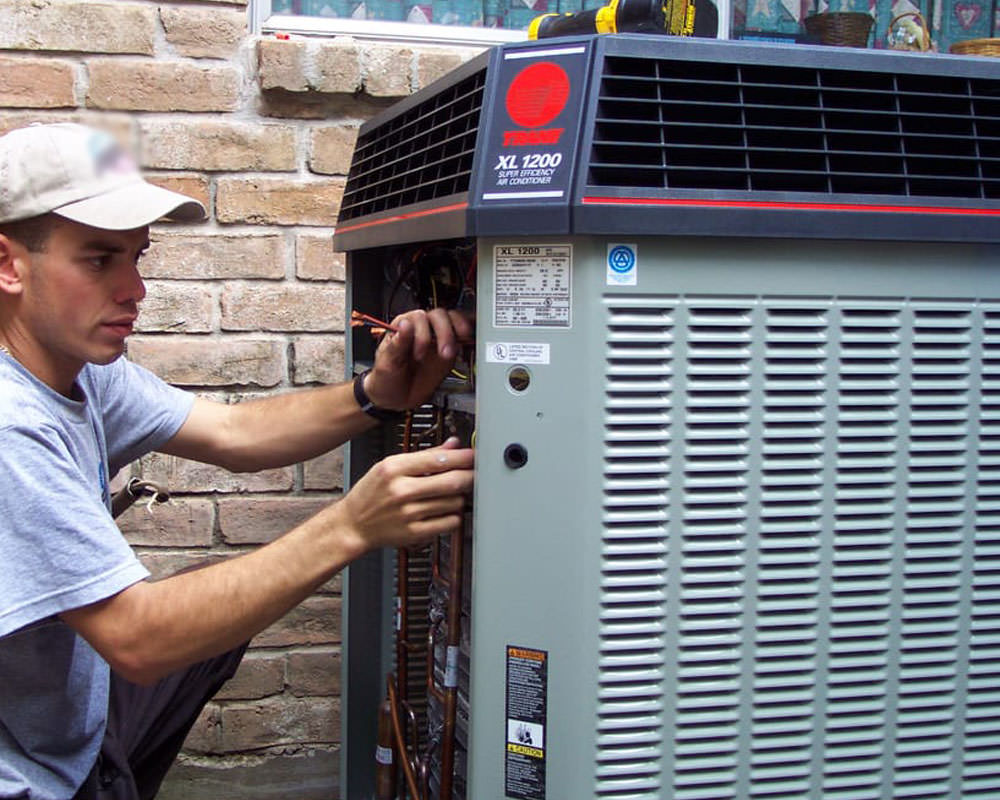
Welcome to AM PM HVAC Service! Are you experiencing a sudden dip in your air conditioner’s cooling performance? The frustration of a less-than-ideal cooling system can be a cause for concern, especially during the scorching summer months. The first step to address this issue is understanding the underlying reasons behind your air conditioner’s failure to blow cold air. In this comprehensive guide, we will unravel the mysteries behind this cooling setback and provide practical remedies to restore your air conditioner’s efficiency.
When your cooling system starts to underperform, it’s not just about comfort but also about potential issues that might worsen if left unattended. From common problems like insufficient refrigerant levels to issues with the evaporator coil, each aspect plays a role in the overall cooling process. By gaining insight into these causes, you’ll be better equipped to take the necessary steps to fix them and enjoy a comfortably cool living space once again.
Read also Exploring the Leading 12 Factors Behind Your Inactive Air Conditioner and Fixes >>>
Let’s embark on a journey to uncover the key factors contributing to your air conditioner’s failure to blow cold air. Whether it’s due to refrigerant issues, air filter blockages, or faulty thermostat settings, this guide will walk you through the diagnosis and provide practical solutions to rectify the problem. Stay tuned for a detailed exploration of each factor, empowering you to troubleshoot effectively and restore your air conditioner’s cooling prowess.
1. Insufficient Refrigerant Levels
Explore the impact of low refrigerant levels on cooling efficiency.
Insufficient refrigerant levels can be a significant hindrance to your air conditioner’s ability to cool effectively. Refrigerant is the lifeblood of your cooling system, absorbing heat from indoor air and releasing it outside. When levels are low, the cooling process is compromised, leading to a less comfortable living space.
- Assessing Refrigerant Levels: The first step in addressing insufficient refrigerant levels is understanding how to assess them. A professional HVAC technician can measure refrigerant levels using specialized tools and equipment. Regular maintenance checks should include this assessment to catch any issues before they escalate.
- Signs of Insufficient Refrigerant: Recognizing the signs of low refrigerant levels is crucial for timely intervention. Symptoms may include reduced cooling efficiency, longer cooling cycles, or warm air blowing from the vents. If you notice any of these indicators, it’s a signal that your refrigerant levels might be insufficient.
- DIY Solutions to Address Low Refrigerant Levels: While assessing and addressing refrigerant levels is typically a job for professionals, there are some DIY steps you can take. Ensure that your outdoor unit is free from debris, and check for visible refrigerant leaks. However, handling refrigerant requires expertise and is best left to trained technicians to avoid safety risks.
Learn how maintaining optimal refrigerant levels is vital for your air conditioner’s cooling performance. Discover simple steps to assess and address low refrigerant issues on your own. Remember that while some aspects of maintenance can be done independently, seeking professional help for refrigerant-related problems ensures a safe and effective resolution. Regular HVAC maintenance is key to preventing and addressing issues like insufficient refrigerant levels, promoting the longevity and efficiency of your cooling system.
2. Clogged or Dirty Air Filters
Air filters play a crucial role in your air conditioner’s operation by capturing dust, debris, and contaminants from the air. When neglected, these filters can become clogged or dirty, significantly impacting your HVAC system’s efficiency.
- Recognizing Clogged or Dirty Air Filters: The first step in addressing this issue is recognizing the signs of clogged or dirty air filters. Reduced airflow, increased energy bills, and a decrease in cooling efficiency are common indicators. Regular visual inspections can help identify these issues before they escalate.
- Consequences of Neglected Air Filter Issues: Neglecting air filter maintenance can have several consequences. Reduced airflow puts a strain on your HVAC system, leading to increased energy consumption and potentially causing the system to overheat. Moreover, poor indoor air quality can result from dirty filters, impacting the health and comfort of occupants.
- Step-by-Step Guide to Cleaning or Replacing Air Filters: Maintaining your air filters is a straightforward process. Follow a step-by-step guide to cleaning or replacing air filters, depending on the type of filter your system uses. Cleaning or replacing filters regularly, typically every one to three months, ensures optimal airflow and system performance.
Gain insights into the critical role of air filters and the impact of neglecting their maintenance. Follow a comprehensive guide to keep your air filters clean for optimal cooling. Remember that clean air filters not only contribute to efficient cooling but also improve indoor air quality. Regular attention to your air filters is a simple yet effective way to ensure your HVAC system operates at its best.
3. Faulty Thermostat Settings
The thermostat is the command center of your HVAC system, responsible for maintaining your desired indoor temperature. Understanding how thermostat settings influence your air conditioner’s performance is crucial for achieving optimal cooling efficiency.
- Understanding Thermostat Settings: Thermostats come with various settings that control temperature, fan speed, and mode of operation. Familiarize yourself with these settings to ensure you can make informed adjustments for comfort and energy efficiency.
- Signs of Incorrect Thermostat Settings: Incorrect thermostat settings can manifest in different ways. Your space might feel too warm or too cool, or your system may cycle on and off frequently. Recognizing these signs is essential for troubleshooting thermostat-related issues.
- Troubleshooting and Adjusting Thermostat Settings: Troubleshooting thermostat issues involves checking for incorrect settings, low batteries, or faulty wiring. Learn to adjust thermostat settings to the desired temperature for proper operation. Additionally, troubleshooting may involve replacing batteries and checking the wiring for any faults.
Uncover the mysteries of thermostat settings and their influence on your air conditioner’s performance. Learn how to troubleshoot and adjust settings for optimal cooling. By gaining insights into thermostat functionality, you empower yourself to create a comfortable indoor environment while promoting energy efficiency. Regularly checking and adjusting your thermostat settings is a small yet impactful practice that contributes to a well-functioning HVAC system.
4. Malfunctioning Compressor
Malfunctioning Compressor
The compressor is the heart of your air conditioning system, responsible for pressurizing and circulating refrigerant to facilitate the cooling process. Understanding the crucial role of the compressor is essential for diagnosing and resolving issues that may compromise its functionality.
- Identifying Signs of Compressor Malfunctions: Compressor malfunctions can manifest in various ways, affecting your system’s ability to cool effectively. Common signs include unusual noises, reduced cooling capacity, or a complete failure to turn on. Identifying these signs promptly is crucial for preventing further damage.
- Consequences of a Faulty Compressor: A malfunctioning compressor can have severe consequences for your air conditioning system. Reduced efficiency, increased energy consumption, and potential damage to other components are among the issues that can arise. Recognizing the impact of a faulty compressor underscores the importance of timely intervention.
- Steps for Addressing and Potentially Replacing a Malfunctioning Compressor: Addressing a malfunctioning compressor involves a systematic approach. Begin by troubleshooting the electrical components, checking refrigerant levels, and inspecting for physical damage. If the issues persist, consulting with a professional technician may be necessary. They can provide insights into whether repair is possible or if a compressor replacement is the most viable solution.
Understand the significance of a healthy compressor for efficient cooling. Discover signs of malfunctions and effective steps to address or replace a faulty compressor. By staying vigilant and addressing compressor issues promptly, you not only ensure optimal cooling performance but also extend the lifespan of your air conditioning system. Regular maintenance and timely repairs are key to keeping the heart of your HVAC system in top condition.
5. Issues with the Evaporator Coil
Understanding the intricacies of the evaporator coil is vital for maintaining your air conditioner’s optimal performance. The evaporator coil plays a crucial role in the cooling process, responsible for absorbing heat from the indoor air. Exploring its operation and potential issues is key to addressing cooling inefficiencies.
- Recognizing Problems with the Evaporator Coil: Issues with the evaporator coil can manifest in several ways. Common signs include reduced cooling efficiency, ice buildup on the coil, or even a complete system breakdown. Recognizing these problems early on is essential for preventing further damage and ensuring consistent cooling.
- Consequences of Untreated Evaporator Coil Issues: Neglecting issues with the evaporator coil can lead to significant consequences. Reduced cooling efficiency, higher energy consumption, and potential damage to the compressor are among the risks. Addressing these issues promptly is crucial to prevent a domino effect of problems within your air conditioning system.
- Implementing Solutions to Address Evaporator Coil Problems: Effectively addressing evaporator coil problems requires a systematic approach. Regular cleaning and maintenance are preventive measures that can mitigate common issues. If problems persist, seeking professional assistance for thorough inspection and potential repairs is advisable. Timely interventions can ensure the longevity and efficiency of your air conditioning system.
Gain in-depth insights into the role of the evaporator coil and how issues can affect your air conditioner’s cooling. Learn practical solutions to address and prevent evaporator coil problems. By understanding the nuances of this critical component, you empower yourself to take proactive measures in maintaining a well-functioning air conditioning system. Regular care and timely interventions are key to keeping your evaporator coil and, by extension, your entire HVAC system in top condition.
Conclusion
In concluding our exploration of common air conditioner issues and remedies, it’s evident that proactive maintenance plays a pivotal role in preserving your system’s functionality. Each section has shed light on critical components, from refrigerant levels to thermostat settings, underscoring the need for a comprehensive approach to air conditioner care.
In conclusion, the health of your air conditioner relies on your commitment to regular maintenance. Addressing issues such as insufficient refrigerant levels, clogged air filters, faulty thermostat settings, malfunctioning compressors, and problems with the evaporator coil requires a proactive stance. By adhering to routine check-ups and promptly resolving identified problems, you can ensure your cooling system operates at its peak efficiency, providing consistent comfort throughout the changing seasons. Remember, a well-maintained air conditioner is not only a reliable asset but also an energy-efficient one, contributing to a comfortable and sustainable living environment.
Addressing Ductwork Obstructions
Identifying Signs of Ductwork Obstructions:
- Unusual noises or vibrations from the ducts.
- Uneven cooling across different rooms.
- Reduced airflow from vents.
Consequences of Obstructed Ducts: Obstructed ducts can lead to diminished airflow, causing your air conditioner to work harder and reducing its overall efficiency. This results in uneven cooling, increased energy consumption, and potential strain on the entire HVAC system.
Strategies to Clear and Prevent Ductwork Obstructions:
- Regular inspection for visible blockages or debris.
- Professional duct cleaning to remove accumulated dust and particles.
- Installation of air filters to prevent debris from entering the ducts.
- Sealing any gaps or leaks in the ductwork to maintain a smooth airflow.
Efficient air circulation is dependent on unobstructed ductwork. Recognizing signs of obstructions is crucial for maintaining a comfortable indoor environment. Unaddressed ductwork issues can compromise the performance of your air conditioner, leading to increased energy bills and potential system breakdowns. By implementing regular inspections and proactive measures, such as cleaning and sealing ducts, you can ensure that your ductwork remains clear, allowing for optimal cold air distribution and enhancing the overall efficiency of your HVAC system.
Routine Professional Maintenance
Benefits of Routine Professional Maintenance:
- Enhanced energy efficiency.
- Improved cooling performance.
- Prevention of potential breakdowns.
- Prolonged lifespan of the air conditioner.
- Cost savings on energy bills.
Recommended Frequency for Professional Check-ups: It is generally recommended to schedule professional maintenance at least once a year, preferably before the cooling season begins. However, for commercial or heavily used systems, bi-annual check-ups may be more appropriate.
Common Tasks Performed During Professional Maintenance:
- Cleaning and inspecting components, including coils and filters.
- Checking refrigerant levels and topping up if necessary.
- Lubricating moving parts to reduce friction.
- Inspecting and tightening electrical connections.
- Verifying thermostat accuracy and calibration.
Routine professional maintenance is a crucial aspect of ensuring optimal air conditioner performance. The benefits extend beyond improved energy efficiency to preventing potential breakdowns and extending the overall lifespan of your cooling system. Scheduling check-ups at the recommended frequency allows professionals to perform essential tasks, addressing issues before they escalate. This proactive approach not only ensures your air conditioner operates at its best but also contributes to long-term cost savings on energy bills and repair expenses.
Frequently Asked Questions (FAQ) – Understanding Air Conditioner Cooling Issues
- Q: Why is my air conditioner not blowing cold air?
- A: Several factors, such as low refrigerant levels, dirty air filters, or thermostat malfunctions, can contribute to this issue. Understanding these causes is essential for effective troubleshooting.
- Q: How can I assess refrigerant levels at home?
- A: While assessing refrigerant levels often requires professional equipment, signs like reduced cooling efficiency and hissing sounds can indicate low levels. Professional inspection is recommended for an accurate diagnosis.
- Q: What are the consequences of dirty air filters?
- A: Clogged or dirty air filters restrict airflow, leading to reduced cooling efficiency. Regular cleaning or replacement is crucial to maintain optimal performance.
- Q: Can I troubleshoot thermostat issues on my own?
- A: Yes, understanding thermostat settings, signs of malfunctions, and adjusting or replacing batteries are steps you can take. However, complex issues may require professional intervention.
- Q: What signs indicate a malfunctioning compressor?
- A: Strange noises, reduced cooling, or the unit not turning on are common signs of a faulty compressor. Professional inspection is necessary for an accurate diagnosis and potential replacement.
- Q: How does the evaporator coil impact cooling?
- A: The evaporator coil plays a crucial role in the cooling process. Issues like ice buildup or malfunctions can compromise cooling efficiency, emphasizing the need for regular maintenance.
- Q: Can ductwork obstructions affect cold air distribution?
- A: Yes, obstructions in ductwork hinder cold air distribution. Recognizing signs and implementing strategies to clear and prevent obstructions are vital for optimal performance.
- Q: Why is routine professional maintenance essential?
- A: Routine maintenance ensures enhanced energy efficiency, prolonged system lifespan, and prevents potential breakdowns. It involves tasks like cleaning components, checking refrigerant levels, and ensuring all parts function correctly.
- Q: How frequently should I schedule professional check-ups?
- A: It is generally recommended to schedule professional maintenance at least once a year, ideally before the cooling season. For commercial or heavily used systems, bi-annual check-ups may be more suitable.
- Q: Can I perform DIY solutions for common air conditioner issues?
- A: While simple tasks like changing air filters or adjusting thermostat settings can be done DIY, complex issues like refrigerant recharge or compressor replacement should be handled by professionals to avoid further damage.